Blog
Sample & Chain of Custody
Every result starts with a sample that arrives with the right information. These guides cover how testing labs receive samples, deal with requisitions that have missing fields, and keep a chain of custody that holds up when a client or an auditor asks. They are written for lab managers and for the technicians and admin staff who handle the paperwork every day. Together they show what changes in the lab when sample intake is digital from the very first step, and what to look for when you compare ways of working.
What this section covers
The articles here follow a sample from the moment it is ordered to the moment the lab accepts it. They cover what a complete requisition contains, how a lab registers a received sample and starts the clock, what changes when intake is digital from day one, and what to expect from chain of custody software. One article looks at what to check in software for asbestos testing labs, where the documentation is under particular scrutiny.
Read this section if you manage intake, quality or a whole lab and want a clear picture of where gaps in the paperwork start, and how to close them before the sample reaches the bench.
Sample manager LIMS: what it does and what to compare
The sample lifecycle in a LIMS, and what to compare in sample management.
LIMS software for asbestos testing labs: what to look for
An asbestos investigation is many samples, one deadline and a client waiting for an answer. Here is what a LIMS has to handle for that to work without paperwork.
How a lab registers a received sample, from the box to the clock
Receiving is the moment a sample becomes the lab's responsibility. The record should show it.
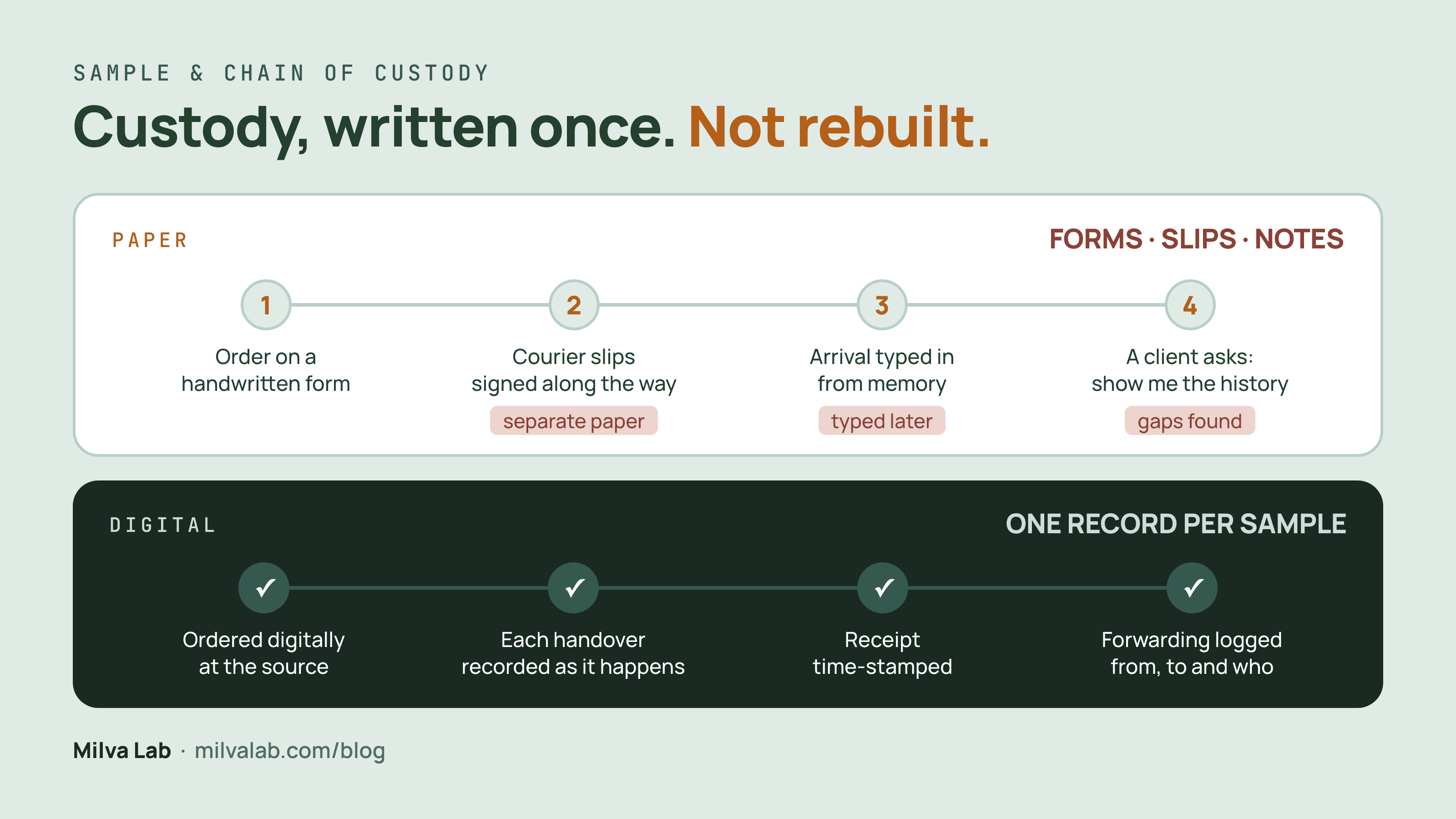
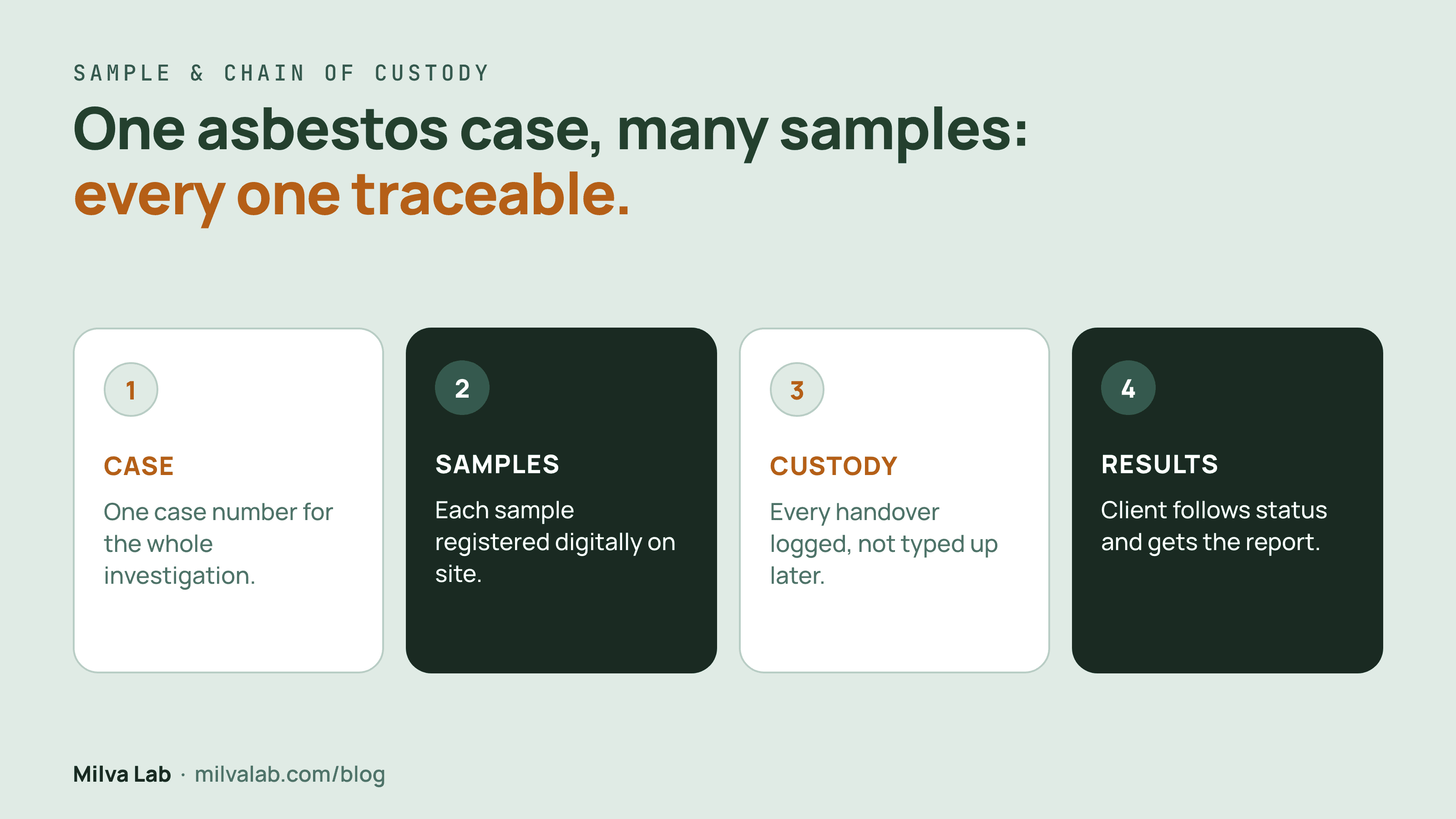
Chain of custody software: what a testing lab should expect
Custody should be recorded when it changes hands, not reconstructed when someone asks.
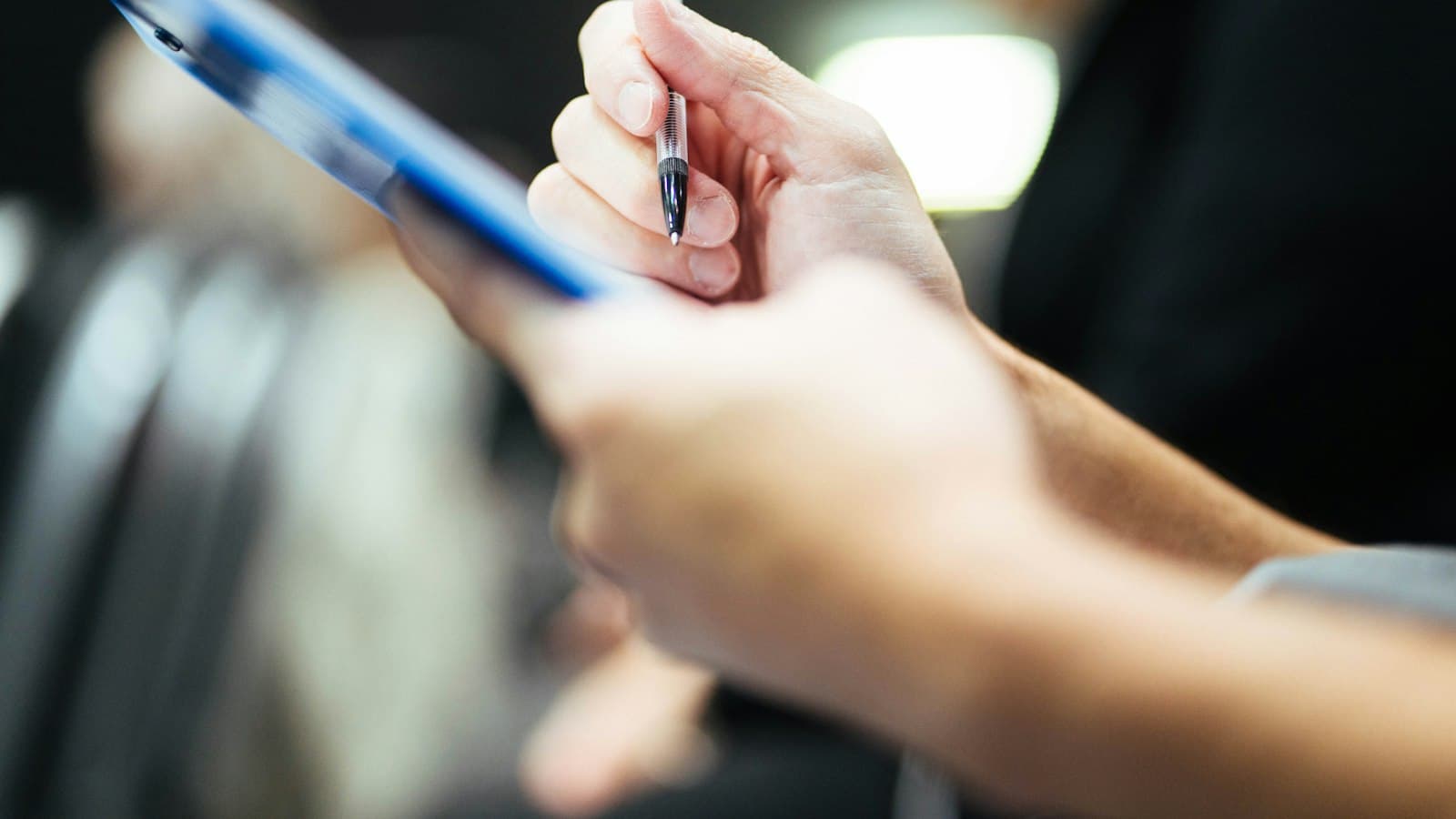
What a complete requisition contains, and why gaps start chain of custody wrong
The chain of custody is only as good as its first entry.
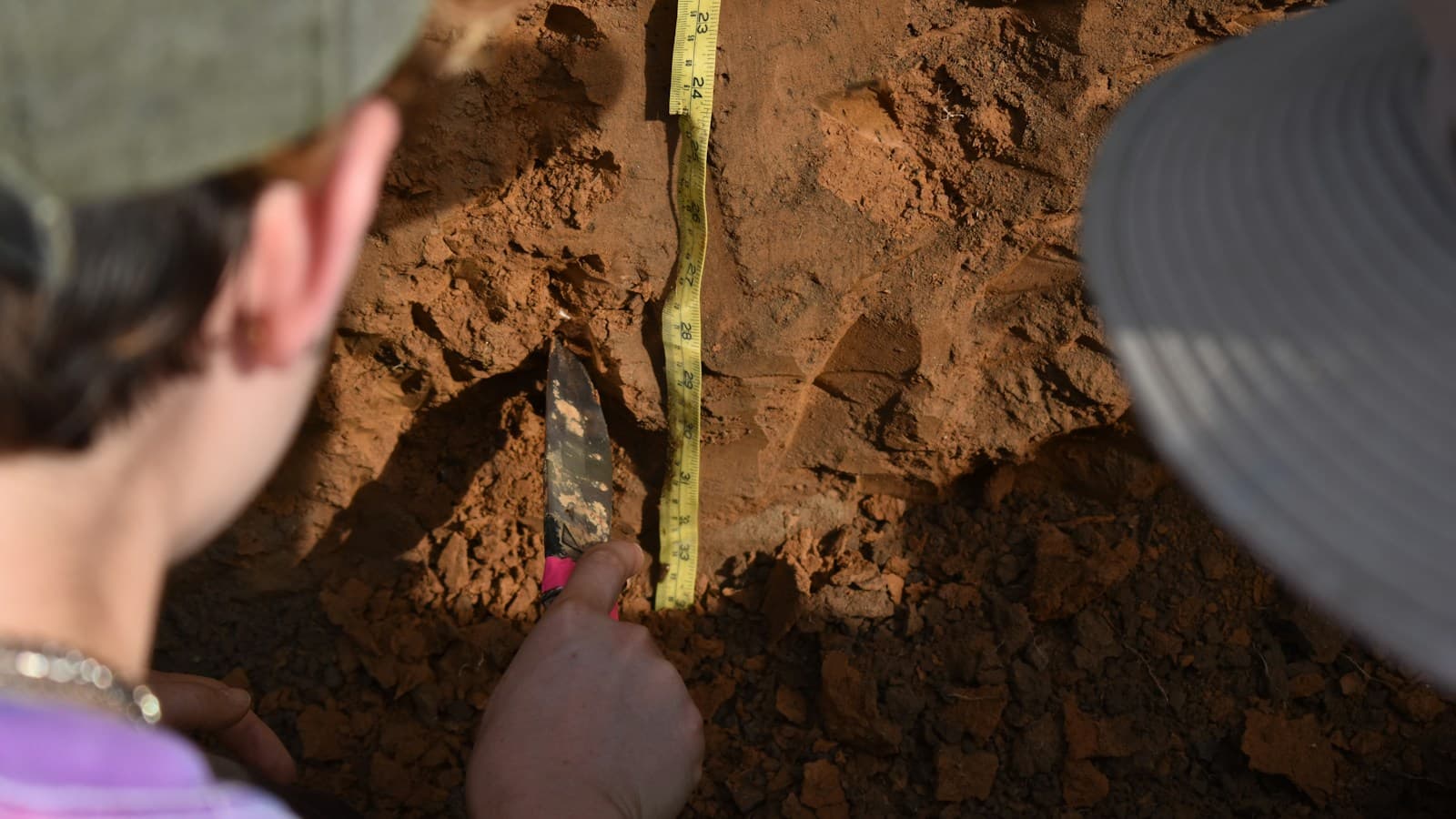
Benefits of a LIMS: 9 advantages for your lab
Traceability and fewer errors inside the lab, and clients who order and follow their samples outside it.
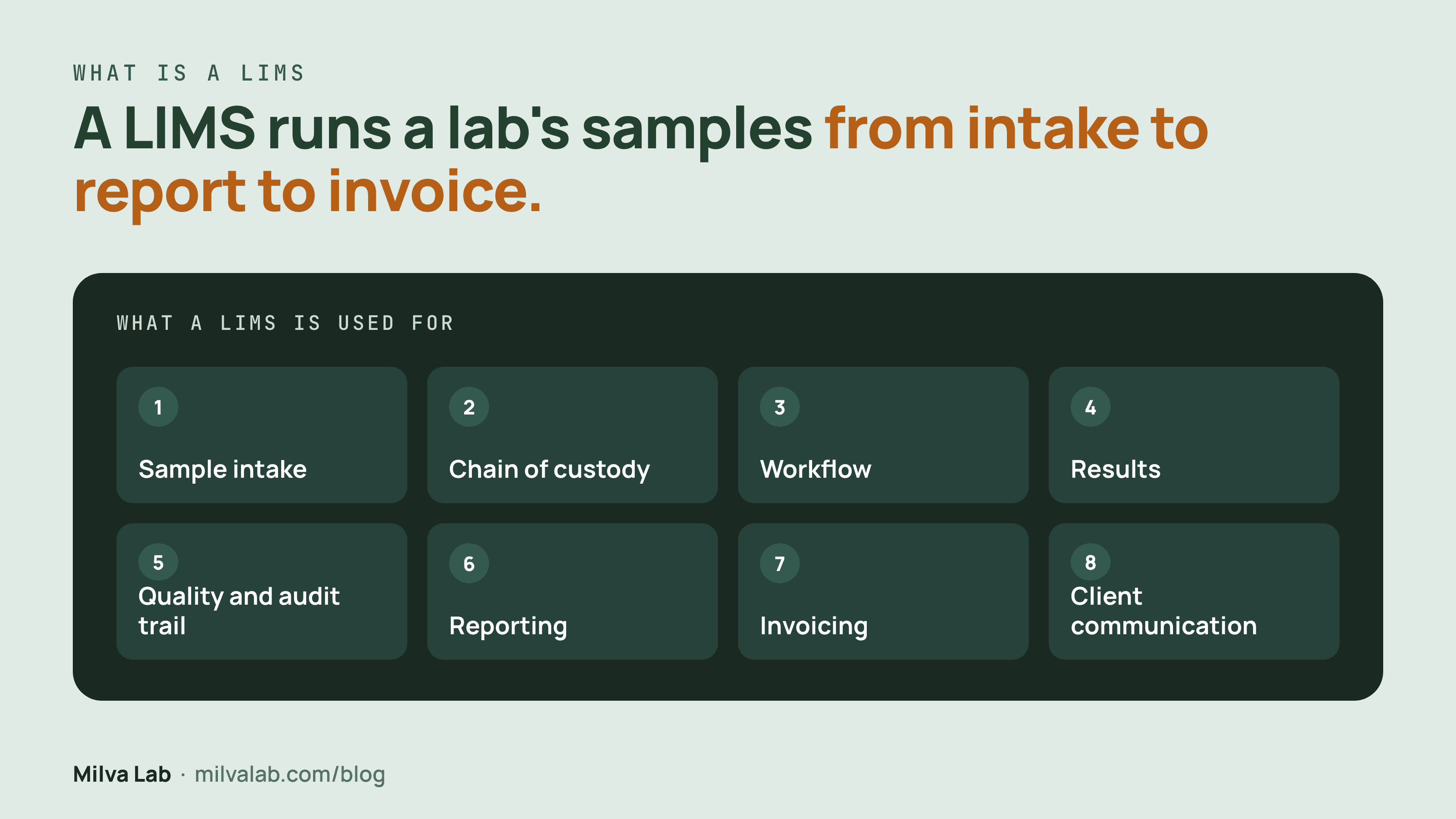
What is a LIMS? Meaning, uses and where LIMS is going
What a LIMS is, what labs use it for, and how to choose one.
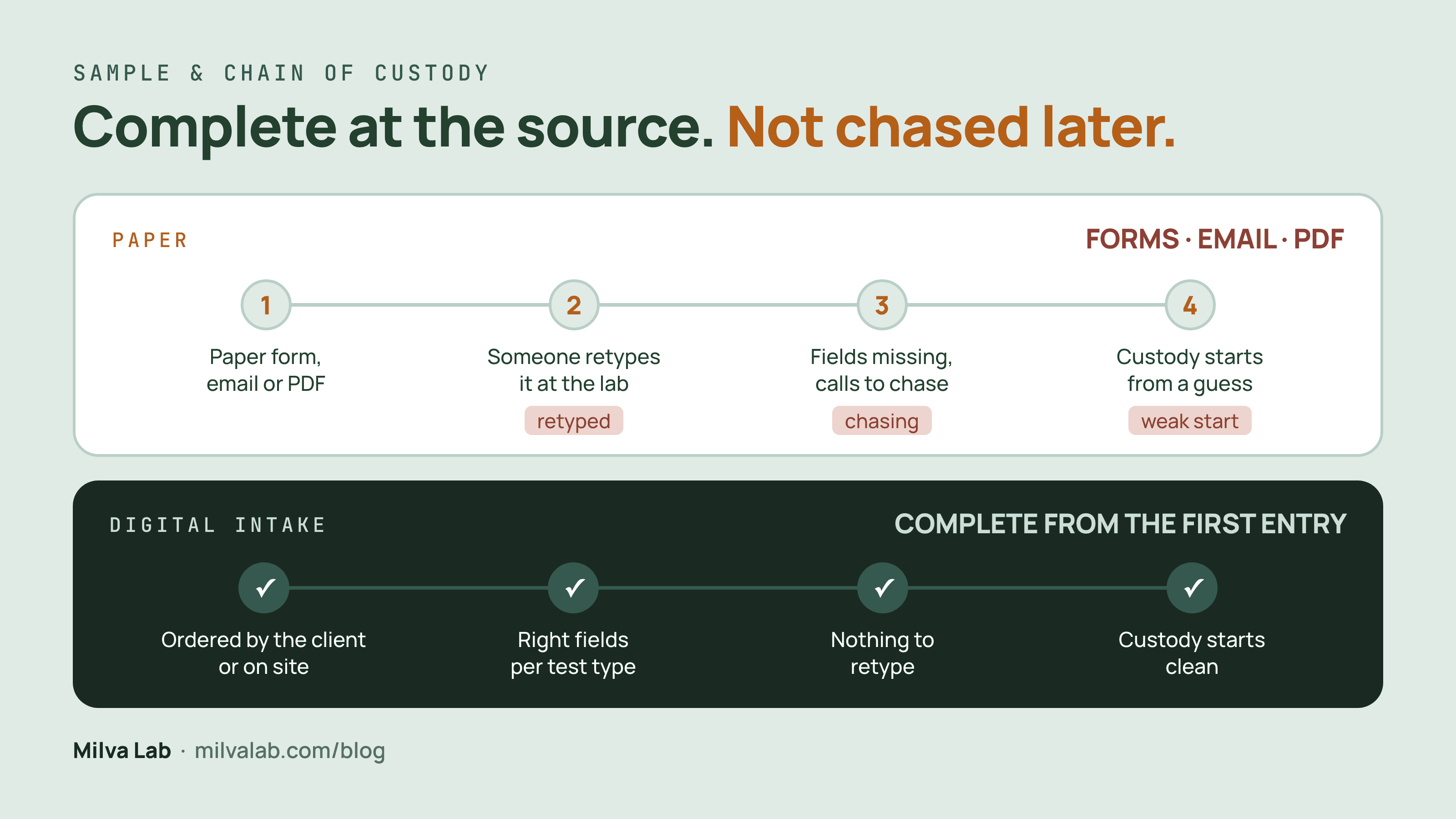
Digital sample intake: what changes on day one
A practical look at what actually changes when a lab stops taking orders by paper, email or PDF, and starts receiving them digitally.
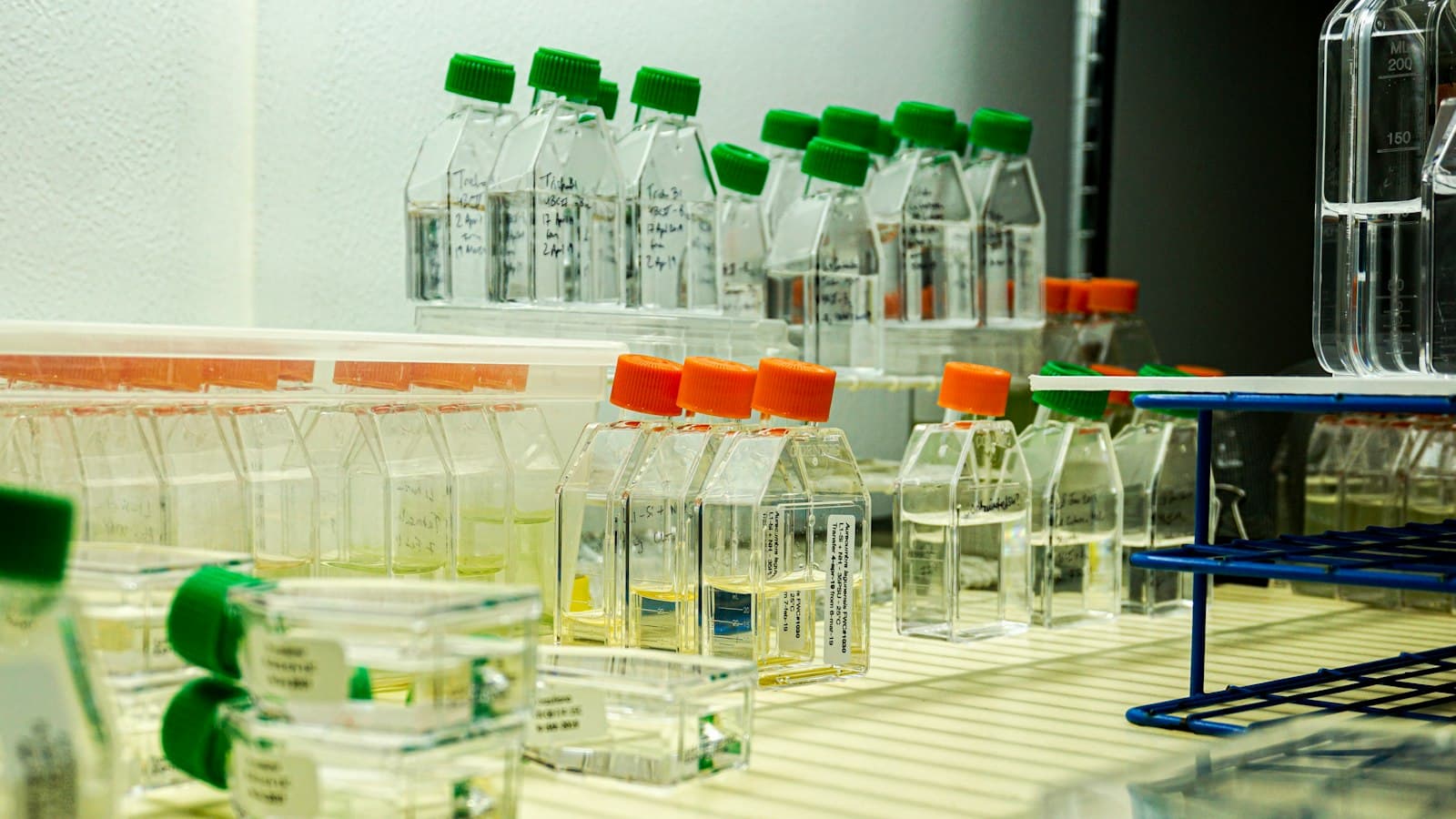
How long should chain of custody documentation take?
A practical look at what slows chain of custody down, and what a same-day standard actually requires.